

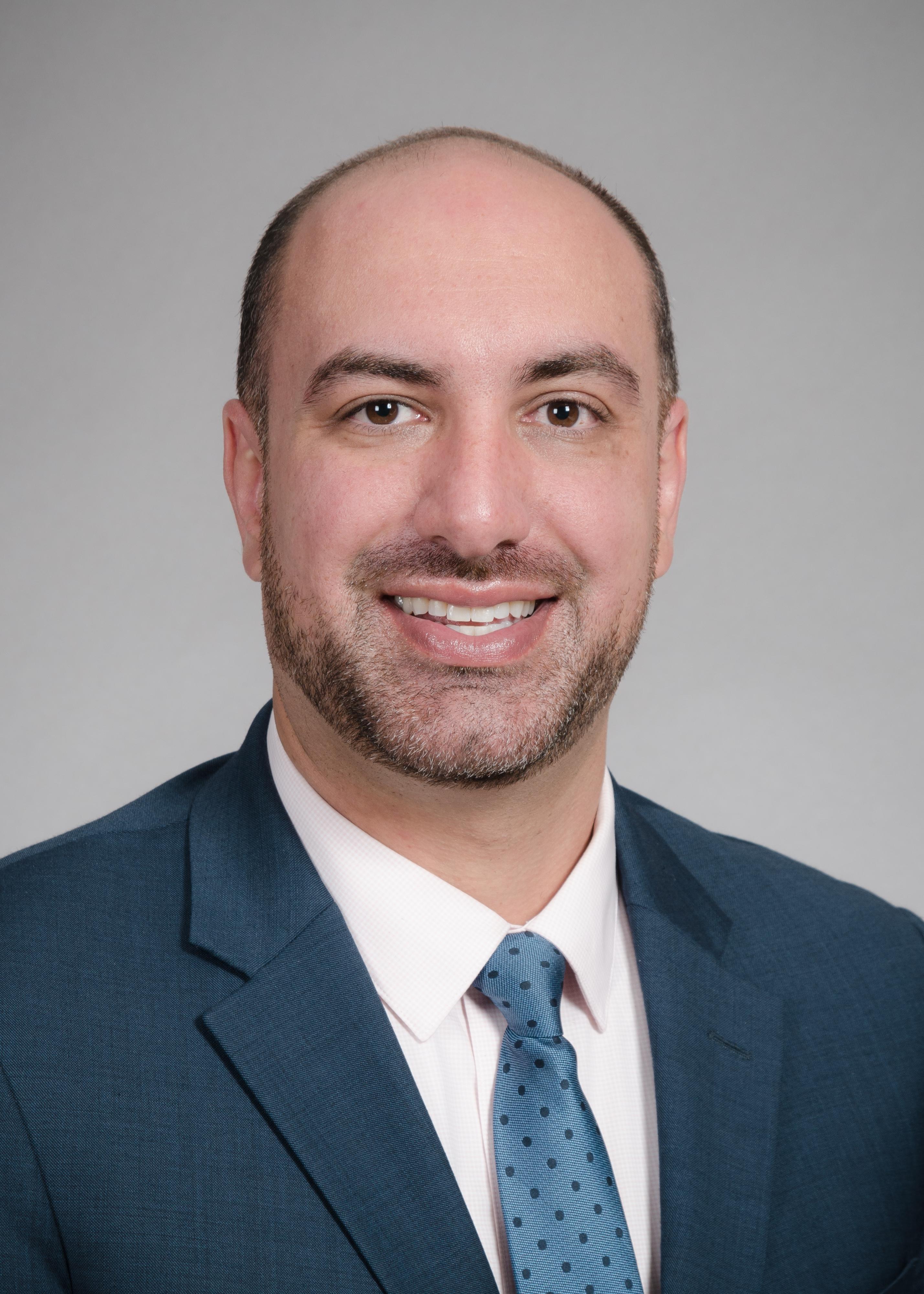
Aria Jafari, MD
ASSOCIATE PROFESSOR; DIRECTOR, NEURORHINOLOGY-ADVANCED SINUS & SKULL BASE SURGERY FELLOWSHIPI am committed to recognizing patients’ individual values and preferences towards a shared goal of improving their symptoms and quality of life. I strive to provide compassionate and evidence-based care, using cutting-edge and minimally invasive techniques. It is a privilege to partner with patients, their families, and the exceptional team of providers at UW Medicine.
Biography
Aria Jafari, MD, is an associate professor in the Department of Otolaryngology-Head & Neck Surgery at the University of Washington, with adjunct faculty appointments in neurosurgery and ophthalmology. He serves as director of the Neurorhinology-Advanced Sinus & Skull Base Surgery Fellowship. He is a fellowship-trained rhinologist specializing in advanced endoscopic sinus surgery, endoscopic orbital surgery, skull base surgery, and lacrimal surgery. Dr. Jafari provides comprehensive care for patients with chronic sinusitis, nasal polyps, revision sinus disease, sinonasal tumors and cancers, cerebrospinal fluid (CSF) leaks, disorders of smell and taste, thyroid eye disease, orbital tumors, and disorders of the lacrimal (tear duct) system.
Dr. Jafari has particular expertise in minimally invasive endoscopic surgery of the skull base and orbit. Working closely with colleagues in neurosurgery and ophthalmology, he performs advanced endoscopic procedures for pituitary and skull base tumors, selected brain tumors, orbital tumors, orbital decompression for thyroid eye disease, CSF leak repair, lacrimal surgery, and transorbital approaches to the skull base. His practice emphasizes multidisciplinary care, surgical innovation, and individualized treatment plans that maximize outcomes while minimizing recovery time.
Dr. Jafari completed fellowship training in rhinology, endoscopic sinus surgery, and endoscopic skull base surgery at Harvard Medical School. After earning his medical degree from Stanford University School of Medicine, he completed residency training in Otolaryngology-Head & Neck Surgery at the University of California, San Diego, where he also served as a National Institutes of Health (NIH) postdoctoral research fellow.
As a surgeon-scientist, Dr. Jafari's research focuses on chronic rhinosinusitis, patient-reported outcomes, cognitive dysfunction associated with sinonasal disease, and innovations in minimally invasive sinus, orbital, and skull base surgery. He has authored more than 80 peer-reviewed publications and book chapters and has presented his research nationally and internationally. He has received numerous national awards and research grants, has been recognized as a Seattle Met Top Doctor, Castle Connolly Top Doctor, and Seattle Magazine Top Doctor, and has participated in humanitarian surgical missions throughout Mexico, Central America, and Africa.
Current CV
JAFARI_CV_Rhinology_04_05_2026.pdfOverview
Undergraduate Education: University of California, San Diego, B.S. with Honors in Neuroscience, 2008
Medical School: Stanford University School of Medicine, 2013
Residency: University of California, San Diego Medical Center, Otolaryngology-Head & Neck Surgery, 2019
Fellowship: Harvard Medical School / Massachusetts Eye and Ear, Rhinology and Endoscopic Skull Base Surgery, 2020
Research Training: Postdoctoral Research Fellow (T-32), Scripps Research Institute/ University of California, San Diego, Neuroscience, 2016
Specialties
Awards and Honors
- Seattle Met Top Doctor
- Castle Connolly Top Doctor
- Seattle Magazine Top Doctor
- Maurice Cottle Clinical Science Honor Award, American Rhinologic Society
- Outstanding Research Mentor Award, University of Washington School of Medicine
- Committee of Excellence Award, Rhinology & Allergy Education Committee, American Academy of Otolaryngology-Head & Neck Surgery Foundation
Publications
Research Areas
Research Focus
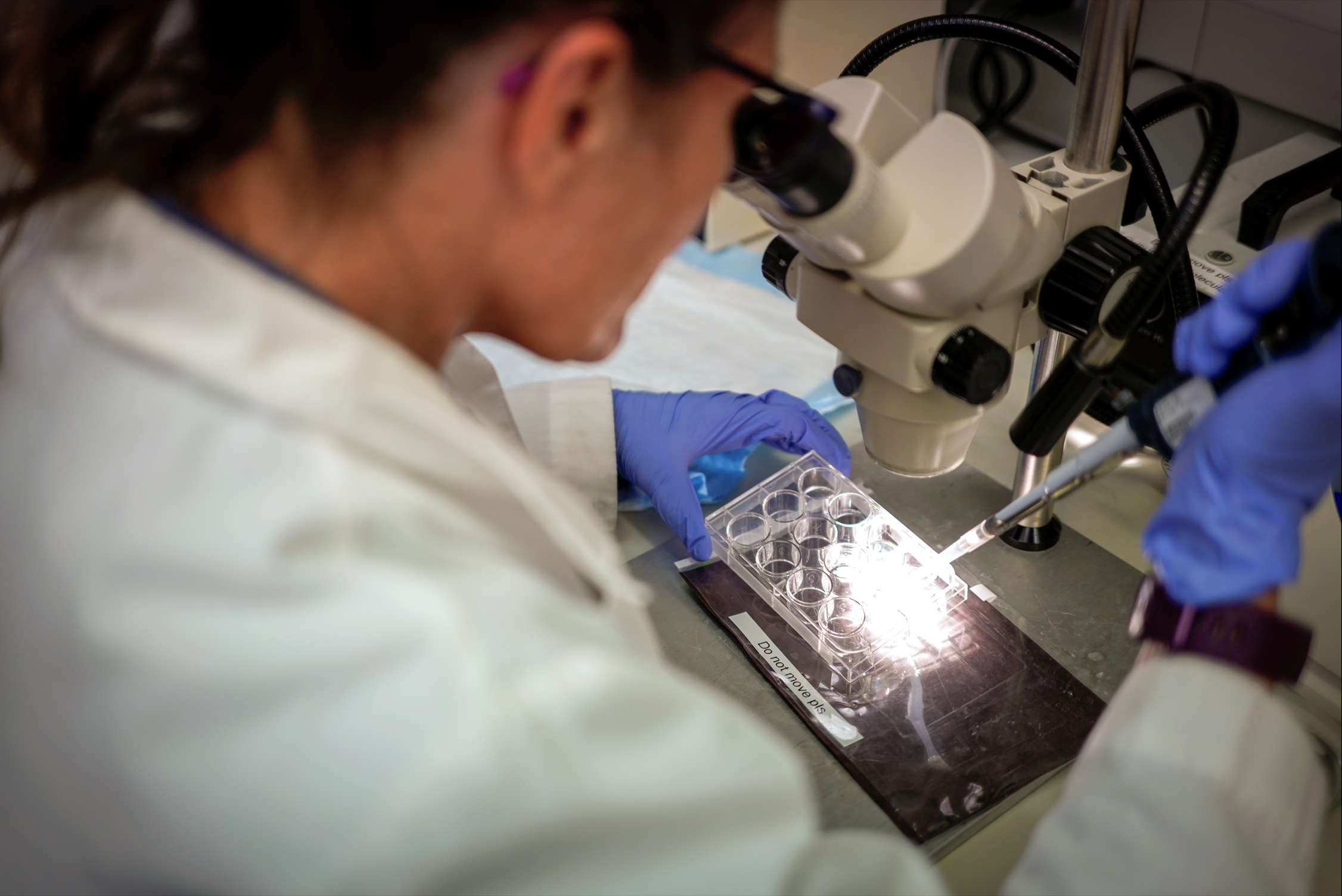
Dr. Jafari's research is dedicated to improving patient outcomes and quality of life through innovations in rhinology, endoscopic sinus surgery, skull base surgery, orbital surgery, and lacrimal surgery. His work focuses on chronic rhinosinusitis, sinonasal tumors, cerebrospinal fluid (CSF) leaks, patient-reported outcomes, and the neurocognitive effects of sinonasal inflammation, including how chronic sinus disease affects brain function, cognition, and recovery after treatment. He also develops and evaluates novel minimally invasive surgical techniques, simulation models, and machine learning approaches to improve diagnosis, surgical planning, and patient care. An active mentor to medical students, residents, and fellows, Dr. Jafari has authored more than 80 peer-reviewed publications and book chapters, has presented nationally and internationally, and serves in leadership and committee roles within the American Academy of Otolaryngology-Head and Neck Surgery and the American Rhinologic Society.