

PROGRESSIVE RESEARCH IN OPTIMIZED MEDICAL EDUCATION & DATA
About Our Group
The residency match process for competitive medical specialties faces an unprecedented strain. As digital application platforms make it seamlessly easy to apply to dozens of programs simultaneously, residency selection committees are inundated with hundreds or thousands of files per position. This "hyper-application" landscape creates massive structural waste, strains institutional resources, and forces busy programs to rely heavily on coarse, easily filterable metrics rather than holistic candidate evaluations.
PROMED (Progressive Research in Optimized Medical Education & Data) was formed to address these systemic inefficiencies through rigorous, data-driven frameworks. Utilizing computer simulation modeling, national selection metrics, and equity-focused analysis, our research group evaluates the underlying mechanics of graduate medical education (GME) recruitment and selection. Our central thesis posits that optimized structural changes—such as early preference signaling and holistic review data points—can curb over-application, alleviate administrative bottlenecks, and foster equitable recruitment and selection.
By continuously studying how applicants navigate the match and how institutions adapt to systemic modifications (such as preference signaling and digital communications), PROMED aims to build a more transparent, efficient, and equitable pathway for the next generation of physicians.
Key Personnel & Team Members
Faculty
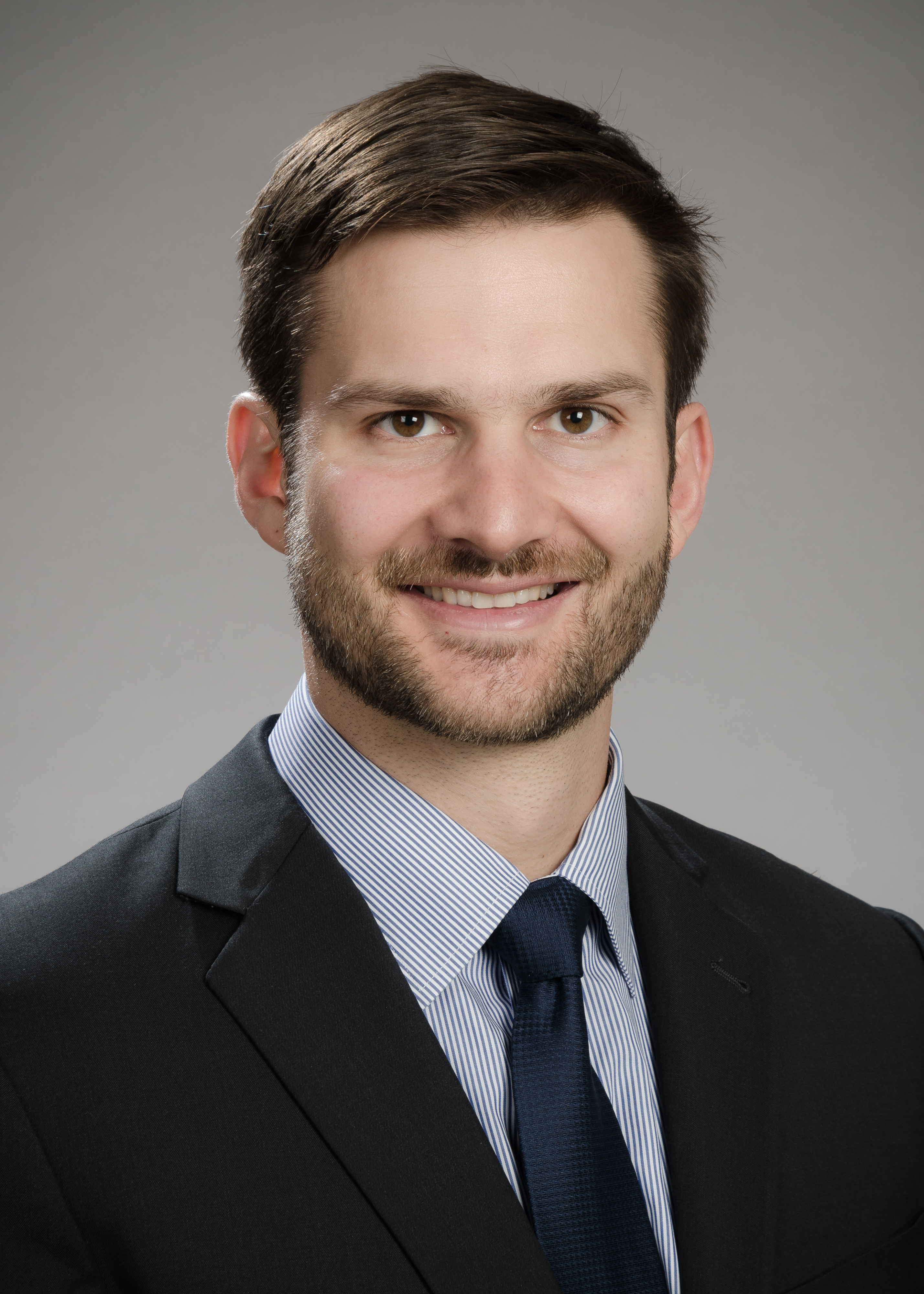 | Dr. Randall (Randy) Bly – Otolaryngology-Head and Neck Surgery, University of Washington / Seattle Children's Hospital |
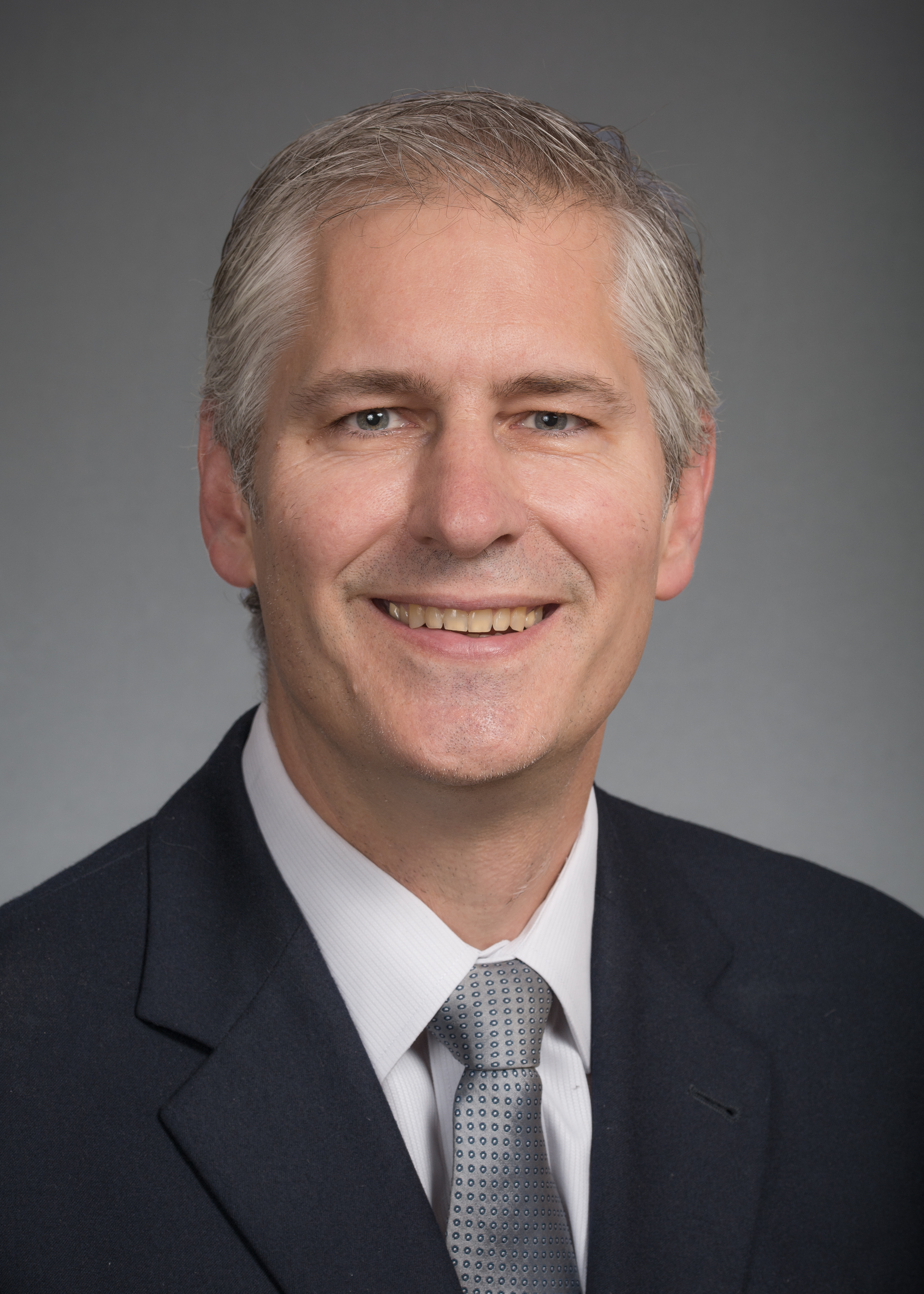 | Dr. Mark Whipple – Otolaryngology-Head and Neck Surgery / Biomedical Informatics and Medical Education, University of Washington |
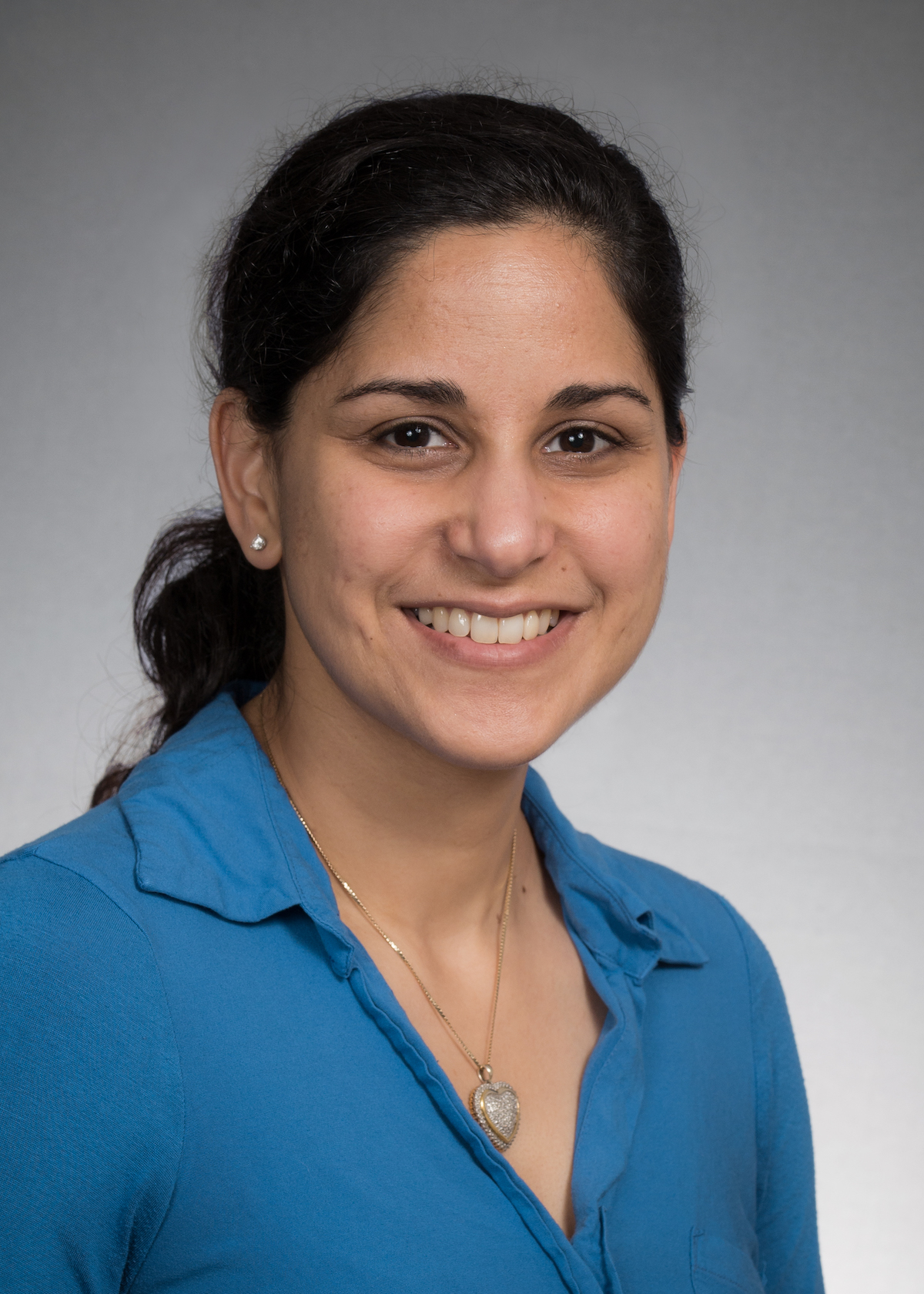 | Dr. Maya G. Sardesai – Otolaryngology-Head and Neck Surgery / Student Affairs Leadership, University of Washington |
 | Dr. Sarah N. Bowe – Otolaryngology-Head and Neck Surgery, San Antonio Uniformed Services Health Education Consortium |
Current Medical Students & Residents
- Thinh T. Kieu
- Pedro A. Galvan
- Lily Whipple
- Mateo Useche
Collaborators
- Lingga Addidharma
- Anthony Law
- Waleed Abuzeid
- Juliana Bonilla-Velez
- Sherise Epstien
- Neeraja Konuthula
- Tanya Meyer
- Al Merati
Selected Bibliography & Scholarship
- Whipple ME, Law AB, Bly RA. A Computer Simulation Model to Analyze the Application Process for Competitive Residency Programs. Journal of Graduate Medical Education. 2019 Feb 1;11(1):30-5.
- Bowe SN, Wang X, Whipple ME, Bly RA. Evidence of Specialty Specific Gender Disparities in Resident Recruitment & Selection. Journal of Graduate Medical Education. 2021 Dec;13(6):841-7.
- Bowe SN, Bly RA, Wang X, Whipple ME. Racial and Ethnic Differences in Resident Selection in 11 Specialties, 2013-2018. JAMA. 2022 Jun 28;327(24):2450-2.
- Epstein S, Konuthula N, Meyer TK, Whipple ME, Bowe SN, Bly RA, Abuzeid WM. Implementing a “Distance Traveled” Question to Improve Resident Diversity: Process and Feasibility. OTO Open. 2022 Jul;6(3):2473974X221113847.
- Bly RA, Whipple ME, Bowe SN. Racial and Ethnic Differences in Resident Selection-Reply. JAMA. 2022 Nov 8;328(18):1871-1873.
- Bowe SN, Bly RA, Whipple ME, Gray ST. Residency selection in otolaryngology: past, present, & future. The Laryngoscope. 2023 Nov;133(11):2929-41.
- Konuthula N, Epstein S, Wang X, Whipple ME, Bly RA, Bowe SN. Intersectionality of race, ethnicity, and gender in the otolaryngology match from 2013 to 2019. The Laryngoscope. 2023 Oct;133(10):2558-63.
- Kieu T, Galvan PA, Bowe SN, Whipple ME, Bly RA. Changes in Otolaryngology Residency Websites Since Preference Signaling Began. The Laryngoscope. 2026 Feb;136(2):716-21.
Related Commentary & National Dialogue
Our work has driven a broader national conversation surrounding structural innovations in GME recruitment, as highlighted by these peer commentaries in response to our modeling framework:
- Lin A, Yarris LM. "A Solution Worth Trying: Providing Program Preference in Residency Applications." Journal of Graduate Medical Education (2019).
- Melcher ML, Wapnir I, Ashlagi I. "May the Interview Be With You: Signal Your Preferences." Journal of Graduate Medical Education (2019).
- Pereira AG, Williams CM, Angus SV. "Disruptive Innovation and the Residency Match: The Time Is Now." Journal of Graduate Medical Education (2019).
- Jones PM, Cherry RA. Racial and Ethnic Differences in Resident Selection. JAMA. 2022 Nov 8;328(18):1871.